Introduction to LM12458 and LM12H458 Data Acquisition Systems
The LM12458 and LM12H458 are advanced, highly integrated data acquisition (DAQ) systems designed to meet the demanding requirements of modern industrial, scientific, and embedded applications. These systems typically combine analog-to-digital converters (ADCs), multiplexers, programmable gain amplifiers (PGAs), and digital interfaces into a single chip or module, providing a compact and efficient solution for converting real-world analog signals into digital data for processing by computer systems.
While specific, publicly available detailed datasheets for these exact part numbers are limited, the naming convention suggests they belong to families of integrated circuits (ICs) focused on precision measurement. In a general context, such devices are crucial components in the broader ecosystem of computer system integration and structured cabling, forming the critical bridge between physical sensor networks and digital information systems.
Key Features and Architectural Overview
A highly integrated DAQ system like the hypothetical LM12458/LM12H458 series would likely offer the following features:
- High-Resolution Analog-to-Digital Conversion: They are expected to provide high-resolution (e.g., 12-bit to 24-bit) ADC channels, enabling precise measurement of voltage, current, temperature, pressure, and other physical parameters.
- Multichannel Input: Integration of multiplexers allows a single ADC core to sequentially sample multiple analog input channels, reducing system cost and complexity.
- On-Chip Signal Conditioning: Built-in programmable gain amplifiers and filters allow the device to handle a wide range of input signal levels directly from sensors without extensive external circuitry.
- Digital Interface: A standard digital interface (such as SPI, I2C, or parallel bus) facilitates seamless communication with a host microcontroller (MCU), microprocessor (MPU), or a central computer system.
- Low Power Consumption: Designed for efficiency, making them suitable for portable and distributed measurement applications.
Role in Computer System Integration
Computer System Integration (CSI) involves designing and implementing a cohesive solution by combining hardware, software, and network components. In this framework, DAQ systems like the LM12458/LM12H458 serve as the foundational sensor interface layer.
- Data Source Integration: They physically and electrically integrate diverse sensors (thermocouples, strain gauges, accelerometers) into the computer system. The integrated signal conditioning ensures raw sensor data is converted into clean, digitized values.
- Real-Time Data Acquisition: They enable the computer system to acquire real-time data from the physical environment, which is essential for process control, monitoring, and automation.
- Simplified System Design: By reducing the need for numerous discrete components (op-amps, ADCs, multiplexers), they lower design complexity, improve reliability, and reduce the physical footprint on a PCB.
- Driver and Software Abstraction: The digital interface allows for the development of standardized device drivers and APIs, enabling application software to easily request and receive sensor data without managing low-level hardware details.
Integration with Structured Cabling Systems
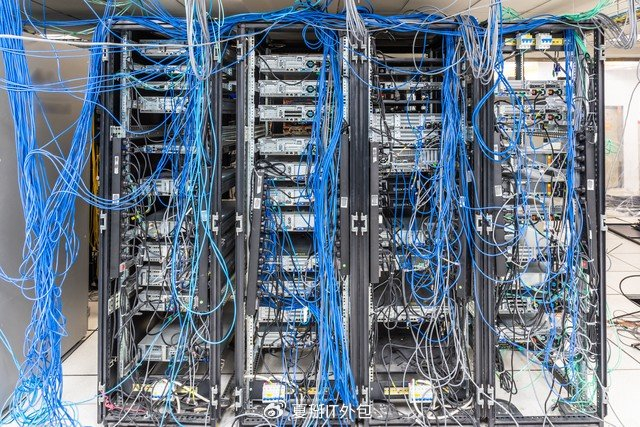
Structured Cabling Systems (SCS) provide a standardized, hierarchical architecture for cabling and connectivity within a building or campus. While DAQ ICs themselves are not part of the structured cabling, they are the endpoints that connect to it in larger-scale industrial and building automation networks.
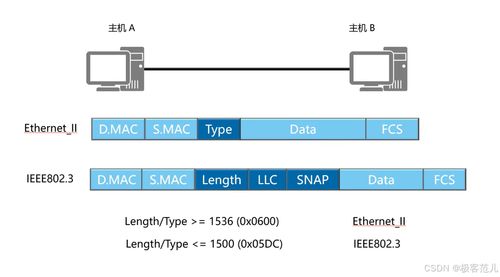
- Sensor Network Connectivity: In large installations (e.g., factory floors, smart buildings), sensors are distributed over wide areas. The digitized data from DAQ modules (which may contain chips like the LM12H458) is transmitted over the structured cabling backbone, often using standard protocols like Ethernet/IP, Modbus TCP, or BACnet/IP.
- Centralized Data Aggregation: The structured cabling network aggregates data from hundreds of distributed DAQ nodes into a central server or supervisory control and data acquisition (SCADA) system for processing, visualization, and storage.
- Reliability and Maintainability: Using a standardized SCS (e.g., following ANSI/TIA-568 standards) ensures reliable, high-quality signal transmission from the DAQ node to the central computer. It also simplifies troubleshooting, reconfiguration, and future expansion of the measurement network.
System Implementation Workflow
A typical implementation involves:
- Sensor Selection and Placement: Choosing appropriate sensors for the physical parameters.
- DAQ Hardware Design: Designing a PCB or selecting a module that incorporates the LM12458/LM12H458 IC, providing necessary power, clocking, and connector interfaces.
- Local Processing: Connecting the DAQ hardware to a local embedded controller (e.g., an ARM-based MPU) that manages the DAQ IC and packages data.
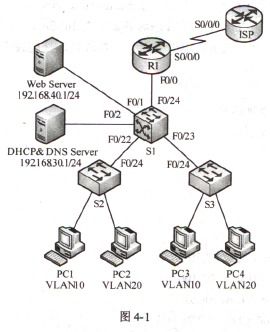
- Network Integration: Connecting the embedded controller to the structured cabling network via an Ethernet switch or other network interface.
- Software Stack Development: Creating firmware for the embedded controller, device drivers, and application software on the central server to manage, log, and analyze the incoming data stream.
Conclusion
Highly integrated data acquisition systems, exemplified by components like the LM12458 and LM12H458, are pivotal in translating analog sensor data into actionable digital information. They act as the critical interface point where the physical world meets the digital realm. Their value is fully realized when seamlessly integrated into a larger computer system architecture, connected via robust structured cabling networks. This synergy enables scalable, reliable, and intelligent systems for industrial automation, environmental monitoring, building management, and scientific research, forming the backbone of the Internet of Things (IoT) and Industry 4.0 infrastructure.
如若轉載,請注明出處:http://www.njmpsoft.cn/product/56.html
更新時間:2026-01-11 08:16:24